
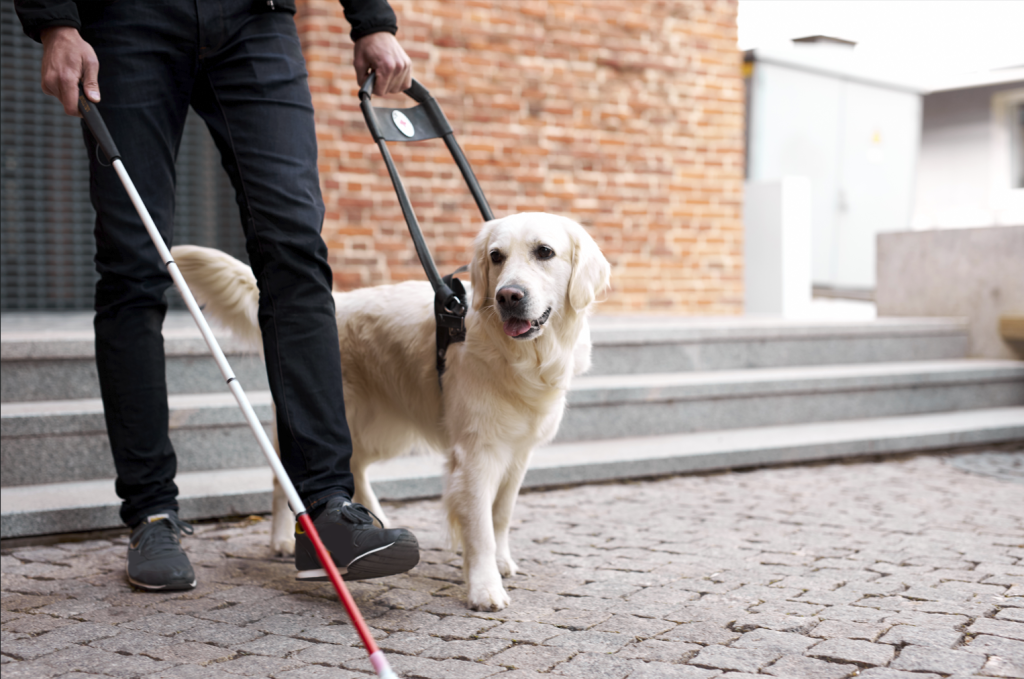
This year, Global Accessibility Awareness Day (GAAD) takes place on 21 May, offering a valuable moment to reflect on a simple yet important idea: accessibility is no longer optional. It is essential to create digital experiences that are usable, inclusive and respectful of everyone.
GAAD was created in 2011 by accessibility advocates Joe Devon and Jennison Asuncion to encourage people to talk, think and learn about digital access and inclusion, especially for the more than one billion people worldwide living with disabilities or impairments. The day began as an initiative to raise awareness of barriers in digital products and services, and it has grown into a global movement that brings together designers, developers, organisations and advocates who believe technology should be accessible by default.
Today, the GAAD (Global Accessibility Awareness Day) Foundation continues that mission by encouraging a culture change in technology and digital product development. Its goal is not only awareness, but action: making accessibility a core requirement rather than a late-stage fix.
Why it matters
Accessibility matters because it affects independence, confidence and participation in everyday life. When digital services are not designed inclusively, people can be excluded from information, education, employment, travel, healthcare and essential transactions. That exclusion is especially significant in self-service environments, where users are expected to complete tasks without human assistance.
It also matters because accessible design improves the experience for everyone. Clear structure, readable content, audio support, tactile input and well-designed interaction flow benefit users with and without disabilities. Accessibility is therefore both a social responsibility and a practical design principle that leads to better products and services.
Storm Interface’s role
As global leaders in accessibility solutions for digital interactions, we believe accessibility is a right, not a feature. Our mission is to help remove barriers in self-service technology through products and services designed for inclusive interaction, reliable performance and real-world usability.
Storm’s accessibility-focused solutions support more independent self-service interactions by combining tactile interfaces, audio guidance and integration-ready hardware. Our Accessibility Suite is designed to connect hardware and software, support screen reader integration and help deliver consistent performance across large-scale self-service environments.
That matters because accessibility in kiosks is not just about compliance; it is about giving people the confidence to use a service independently. Whether in retail, transport, healthcare or other public-facing environments, Storm Interface is helping organisations build self-service journeys that are more inclusive, intuitive and dependable.

What can be done
Organisations can use the day to audit digital products, review kiosk and self-service accessibility, test content with disabled users and train internal teams to think about access from the start. They can also create content that explains why accessibility matters and how practical improvements benefit both users and businesses.
For teams working in self-service technology, a good starting point is to review the full customer journey:
- Can users locate and physically access the kiosk easily?
- Can they understand the available options?
- Can they navigate without relying on sight alone?
- Can they complete a task independently and with confidence?
- Is their privacy guaranteed?
- Is there a fallback when a user needs help?
These questions are at the heart of inclusive service design.
A shared responsibility
GAAD reminds us that accessibility is not the responsibility of one team, one department or one day of the year. It is a shared commitment to better design, better experiences and a more inclusive digital world.
At Storm Interface, we are proud to contribute to that mission by developing self-service solutions that help organisations serve more people, more effectively, every day. Accessibility in self-service is not a future ambition; it is already happening, and momentum must continue.